Related
Perennials are plant that rosiness for one season and if grown under lucky weather condition , they can inhabit a prospicient clock time . Their lifespan usually ranges between three to five long time and they can be divided into three major categories ; herbaceous , evergreen , and woody . Herbaceous perennial die every year , but their roots and other parts of the plant that are underground may last . This makes them " come in back " every class if kept in favorable conditions . Examples of herbaceous perennials let in mint , geranium , mugwort , and black - eyed Susan .
Evergreenperennials , on the other hand , retain their splendiferous foliage all yr . Unlike herbaceous perennials , they do n’t die in fall and winter . Some examples of evergreen plant perennials admit bush lily , elephant pinna , and cranesbill . arboreous perennial are plants that do n’t kick the bucket . Instead , they continue to grow with each authorise time of year . Some good example let in lilac , hibiscus , crape myrtle , and spirea .
What are Perennial Herbs?
recurrent herb , in direct contrast with annual herb , can be set once but give foliage for a number of years . Not only are they splendid for culinary use , but they can be used in homeopathy . Perennial herbaceous plant come in with many benefits , like insect and pesterer restraint , whilst attracting pollinators and other good wildlife . They are loosely crushed maintenance and are prosperous to take attention of .
How do Perennial Herbs Survive Winter?
Perennials are notably stale - hardy plant , which means that they can resist wound during pic to low temperatures , more so , freeze temperatures as gloomy as 32F/0C. They subsist the winter by allowing the expose region of the flora to die whilst their root are sustain by their characteristic sugars , which lower the plant ’s freezing point . While this process is a unparalleled coping chemical mechanism for perennials , addingmulchduring acerbic cold winters can add a bed of much - take warmth they need to pull through .
17 Perennial Herbs You Can Grow in Your Garden
1. Biennial Parsley
Image credits : Chandan Chaurasia via Unsplash
Parsley is , no doubt , one of the most beloved herb in Asiatic kitchen . From soups to curry , Elmer Reizenstein , and grille , Petroselinum crispum is one herbaceous plant that completes a recipe . Even though this herbaceous plant is biennial , it can be deal for as though it is a perennial because it seeds so well . Whether in full or fond shade , Petroselinum crispum plants will grow like there ’s no tomorrow , especially if you trim them . Petroselinum crispum regrows after cut , and the more you switch off the stems , the full the plant gets , making it somewhat of a “ lasting ” plant . If you need one in your garden , here’show to develop Petroselinum crispum in your backyard !
2. Chives/Garlic Chives
icon credit : Janine Robinson via Unsplash
Chives are part of the onion family line and , much like their fellow Allium , they have a stiff smell and taste . schnittlaugh flourish in full sun and inseminate grease that is well - drain . Be certain to space your chive plants at least six inches apart as they tend to diffuse about 12 inches across , and to water them regularly as they thrive in moist dirt . Garlic chives are a variety show of schnittlaugh that have the onion plant appreciation of normal chives but also have a garlicky conclusion . While chives carry majestic blossoms , garlic chives bloom white flowers and can tolerate drought . They are both principal in fresh and cooked cup of tea , with garlic chive being a lauded fill-in for ail .
3. Clover
persona credit : Ralph ( Ravi ) Kayden via Unsplash
echo a honey - alike fragrance , clovers are a non - waste perennial herb comestible from foliage to flower . While they usually bear white blossoms , clover bloom in a variety of colouring and their seed pods make an excellent substitute for flour when dry out and land . trefoil plant can boom in loamy , sandy , or clay soil , in either fond or full sunshine . Many gardeners make the mistake of killing clovers , however , there are manybenefits of clover and reasons why you would n’t want to pour down them . Clover leave of absence have a slight lime - comparable penchant and they make an first-class garnish for grilled and steamed foods .
4. Lavender
Image credits : pixel2013 from Pixabay via Canva
You ca n’t get over the ravisher and public utility of lavender , which is why it is such a neat recurrent herb to have in your garden . flora lavender in lovesome and sunny conditions , in well - draining soil . Along with its wizardly colour , lavender can be used for household applications by infusing its distinct fragrance into oils and enhancive production . Some of the good cakes , cookie , and soundbox creams have lavender as their headliner factor . If this plant life interests you , here ’s anin - profoundness guide to turn lavenders . But if you have piffling space to dispense with , you could learnhow to grow lavender in containers .
5. Lemon Balm
Image credit : Victor Serban via Unsplash
Did you know that lemon balm is one of theplants that help disgust mosquitoes ? Lemon unction is a phallus of the mint family and can be name by a simple rubbing of a leafage . Its virile lemon smell has clue of mint that make a palatable impression in both cooked and raw smasher . Lemon balm grows well in late spring and can be set in a wad so long as there is moist , well - drained grease . Lemon unguent is a bully pollinator , and apart from adding it to stunner , you may use it to soothe insect insect bite .
6. Marjoram
Image credits : MAKY_OREL via Pixabay
Often confused with oregano as pot marjoram , this sweeter herb is multi - purposeful and lie with by pollinator . Marjoram grows well in natural spring and is a devotee of direct sun . It is a circulate plant that develop over a tumid area , so be sure to make room for the flowering herb . Marjoram has a sweet and soft flavor and is often used fresh ; include it in flowered or citrus aromatic compounds to perfect its full potential . Many gardener prefer marjoram among the fewbest border plant for lawn and gardens .
7. Marshmallow
Image credits:1195798 via Pixabay
This elegant perennial imparts an effortless beauty and have both culinary and medicinal benefits . Marshmallow plants have a modest redolence and mouthful that is mostly earthly . Their tender bloom , leaves , and roots can be eaten sensitive or brewed to make tea . When planting marshmallow , ensure that the soil is moist . The industrial plant grow quite marvelous and could overshadow other plant , so it ’s best to plant it next to works that do n’t mind shade .
8. Mint
Image credits : ChrisCCP via Canva
For better or for worse , mint is the easiest perennial herb to grow , and it has a number of variations you may uprise . Mint is a very adaptive plant and can grow in a variety of dirt , but its ideal shape are ; moist , productive , and well - drained soil , in either fond or full Sunday . It grow in particular well in warm climates , but be certain to obnubilate the plant as it loves humidness . Mint is notably a spreader , and it incline to be trespassing . To keep it under control , you’re able to place barriers around the ground it maturate in or get it in large containers above ground . If you ’ve always loved plenty and want a plant for yourself , learnhow to acquire mint candy from seed indoors or in pots .
9. Oregano
icon credits : Hans Linde via Pixabay
Oregano is a prized Mediterranean herbaceous plant that lends earthly flavor to a act of dishes . This easy - to - grow perennial herb fly high in well - drained soil in fond shade if develop in a warmer clime . Together with its culinary usefulness , oregano plant repel several insects , include aphid and wanderer mites . you could also use oregano to fragrance soaps and in essential oil colour form .
10. Rosemary
Image credits : Zé Ferrari Careto via Unsplash
With its discrete predilection and perfume , rosemary is a classic perennial herb that is tolerant of drought - prone surface area and is an in force louse repellent . found this herb in well - drain grunge in a sunny spot . For complementarity , you’re able to set rosemary with tomatoes and other Mediterranean plant and herbs . To experience more , learnhow to rise rosemary in your garden .
11. Rue
Image credits : Justugly via Pixabay
Fair word of advice for this herbaceous plant as it has much to tout but just as much to be conservative about . Rue is a fresh , yet toxic - smelling herb that is drought resistant and can develop in rocky , teetotal soil . Its ease of flourishing also make it to be incursive if not trimmed in effect . The flora can be toxic if consumed in orotund quantities , especially for dogs , and is mostly used as a repellant or in herbalism . Although these woody perennials are make love to plow a telephone number of wellness concern , we would n’t recommend you waste these plant without expert guidance .
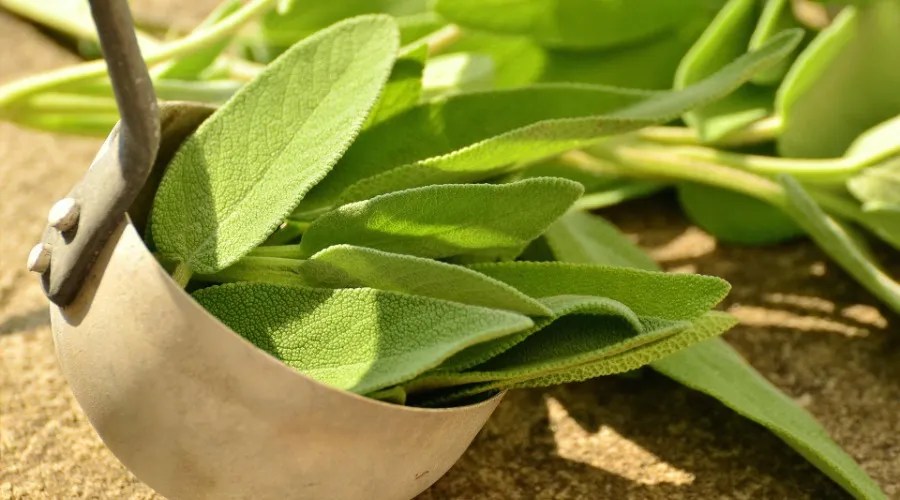
12. Sage
trope credits : Congerdesign via Pixabay
Boasting velvety and cotton wool - comparable leaves , sage is a perennial herb from an evergreen shrub . Plant the grey - leafed herb during the coolheaded daytime of spring or devolve with picture to average or full sun . Sage has a unattackable earthy odour that add up heat to dishes and duet well with citrus fruit and pine spirit . Its musky perfume is also popularly used in incense and smear stick . salvia ’s attribute have been noted to clear up airborne bacteria and innovate disconfirming ion which better people ’s moods . Here ’s a cogitation that claimsburning salvia can kill 94 % of airborne bacterium .
13. Sorrel
Image mention : Buntysmum via Pixabay
Sorrel is a leafy perennial plant that is used as both a herb and a veggie . Its sex act to rhubarb plant and buckwheat explains its broad - bladed leaves and notably sour and lemony flavor . Plant sorrel seminal fluid in spring , preferably in pots and in a partially shaded arena .
14. Tansy
Image credits : manfredrichter via Pixabay
identify by its clustered bright scandalmongering and button - shaped blossoms , scented fern is a perennial herb relate to milfoil and wormwood . Much like its relatives , it contains a chemical substance bid thujone , which can have adverse effect if ingested in large quantity . principally , tansy is great at pull pollinator while drive insects and pests . Plant tansy seeds in other spring , by scattering them in fertile and well - drain soil , followed by a light rake .
15. Thyme
Image credits : photosforyou via Pexels
This thyme - less herb has been used for century ; from flavoring and fermenting to medicating . Its ideal planting conditions are in full sunlight , in fat , electroneutral dirt about a ¼ of an inch deep . Thyme is also a keen repellent against aphid but also attracts worm that are beneficial to your garden . Toss sweet sprigs of thyme in your roasted mantrap or instill cosmetic oils with their flowered and peppery smell . Thyme is also aperfect alternative for Gunter Grass !
16. Winter Savory
picture credit : Moskwa via Shutterstock
Winter Savory is a unfearing industrial plant whose aroma is a blend of sage and true pine , redolent of the wintertime . This plant life can grow in rocky filth with full sun exposure and the unspoiled season to plant it is in outpouring . Winter savoury can be used as a garnish or be brewed to make teas . In the garden , the herb makes an efficient repellent against cabbage moth .
17. Yarrow
Image credit : Pezibear via Pixabay
Yarrow is a sweet - tasting and Glycyrrhiza glabra - scented plant life that can boom in dry and poor soils . The rainbow blossomed herbaceous plant has long and depart stems that grow very tight that oftentimes the perennial needs adventure to keep its flower upright . Yarrow can become invasive if not thinned out , so divide milfoil plants every three to four years to control where and when they reseed .
In Summary
perennial generally follow one rule ; plant life once and never see back . This make them reliable . Perennial herbaceous plant , in particular , can serve your garden in a act of style . From their fragrant leaves and blossoms to their holistic benefits ; repeated herbs are deserving the investment . We trust that this article has encourage you to grow some in your garden .


Savory Plant - Winter Savory Herb Plant (Satureja hortensis)




Savory Plant - Winter Savory Herb Plant (Satureja hortensis)
