Related
The love for horticulture can fall at a in high spirits price , specially when purchasing novel dirt for your plants every season . There are many ways for yourpotting grime to go forged , but the biggest reason is not hive away it properly .
It can direct to concretion , mold , foul odor , and louse , all of which are detrimental to the wellness of your plants . what is more , using old and not well - kept potting soil will lead to rock-bottom plant growth , salt accumulation , and frown soil porousness .
That ’s why we want to share the good methods to store your pot dirt so that your plants thrive when you utilise it again next season .
What You Will Need to Store Your Potting Soil
simulacrum credit : ela_elarts via Shutterstock
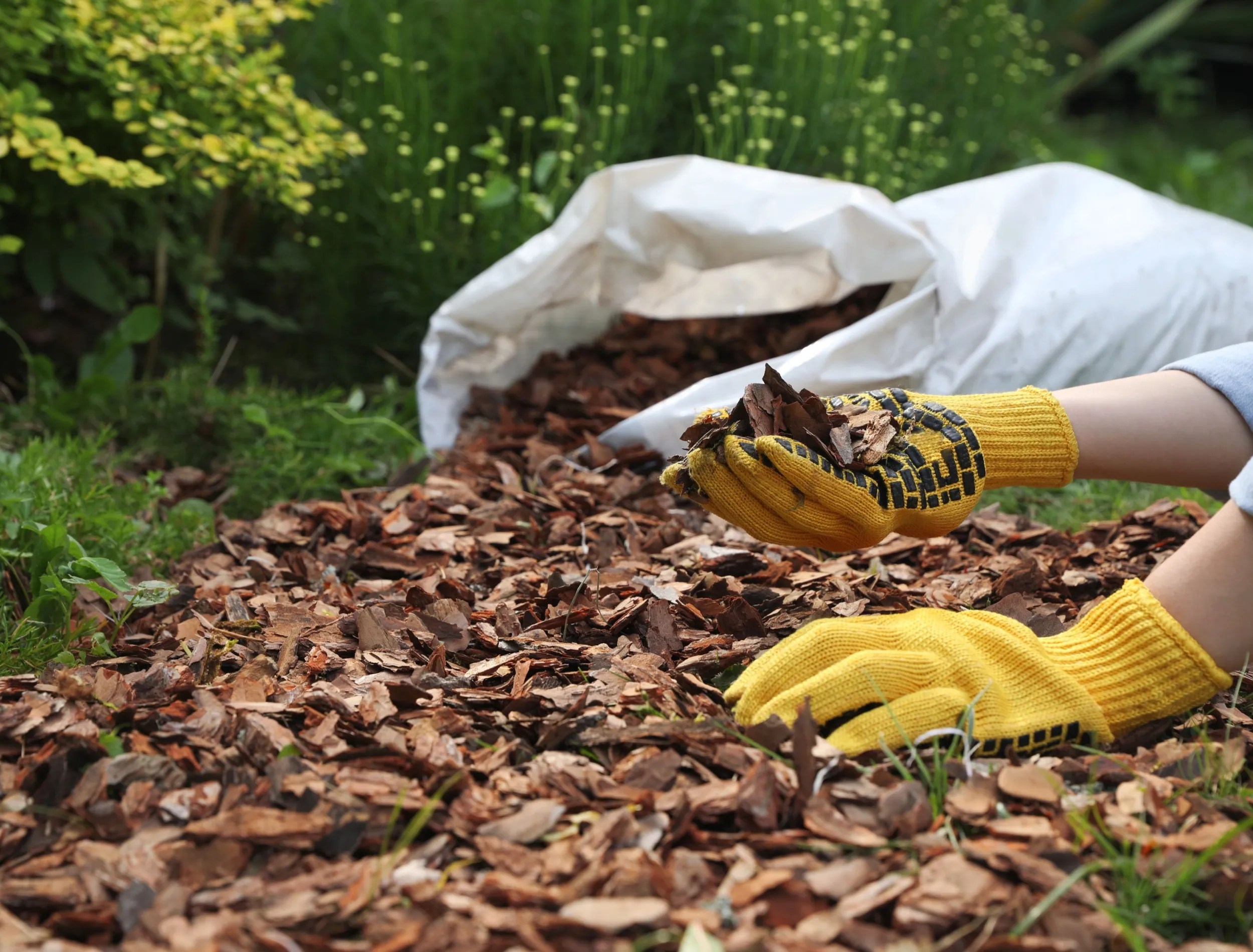
Whether youmix a bombastic batch of our potting soilor buy packages of it , you in all probability use a small amount and allow the respite loosely packed for future function . However , in time , this can get very pricey . Not to mention that it is not exactly ideal for the surround . To forfend this , down below are the items you will need to store your grease right and utilise again the next season :
How to Store Your Potting Soil Properly
Step 1: Collect all Your Leftover Potting Soil
look-alike credit : TD Dolci via Shutterstock
search out all of your bags of leftover potting soil . Regardless of whether they are full or partial , they will both require special storehouse . Next , you will have to determine which soil is better off last out in its bag and which one you will have to put into a new container .
It is important to group up potting dirt with similar ingredients . If you have fertilized potting soils , put them together in one container , so things are more organized and well-heeled to find .

Step 2: Clean up the Storage Containers
double credits : Kameleon007 via Canva
Once you have collected all the remnant pot soil , gather all the containers you want to use for storage . You must wash them very well and use disinfectant to stop fungi , bacterium , or mould from forming and infecting the soil . Once you ’ve done this , allow your container to air dry .
Step 3: Ensure the Soil Isn’t Contaminated
Image credits : USDAgov via Creative Commons
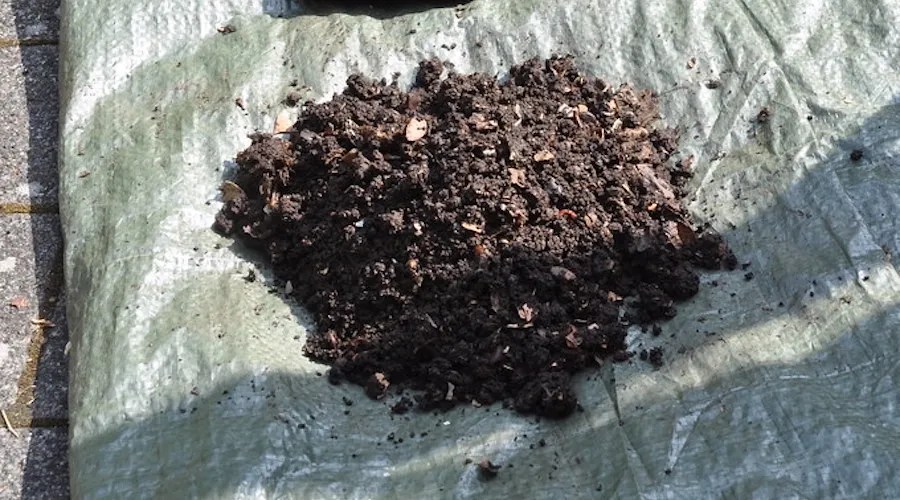
To check that that the land is not contaminated , rain cats and dogs the soil out onto a mat tray . audit it cautiously for insects , larvae , seeds , mold , or bollock sacks . If you find any of the things mention , hear to move out them as best as you may before store the sleep of the soil for succeeding use .
However , if your potting soil is a victim of a full - blown infestation , it is wise to put it into your composter and recycle it later on .

Step 4: Dry the Potting Soil Well
range credit : sacratomato_hr via Creative Commons
store damp potting soil , especially if the weather is warm , is almost always a guarantee of clay sculpture or mold forming . You may evenfind mushrooms growingin your potting soil ! Unopened magnanimous bag fill with soil are often damp because of the many small perforation over the packaging . mould can have quite a few subject , include a foul smell and unappealing looks .
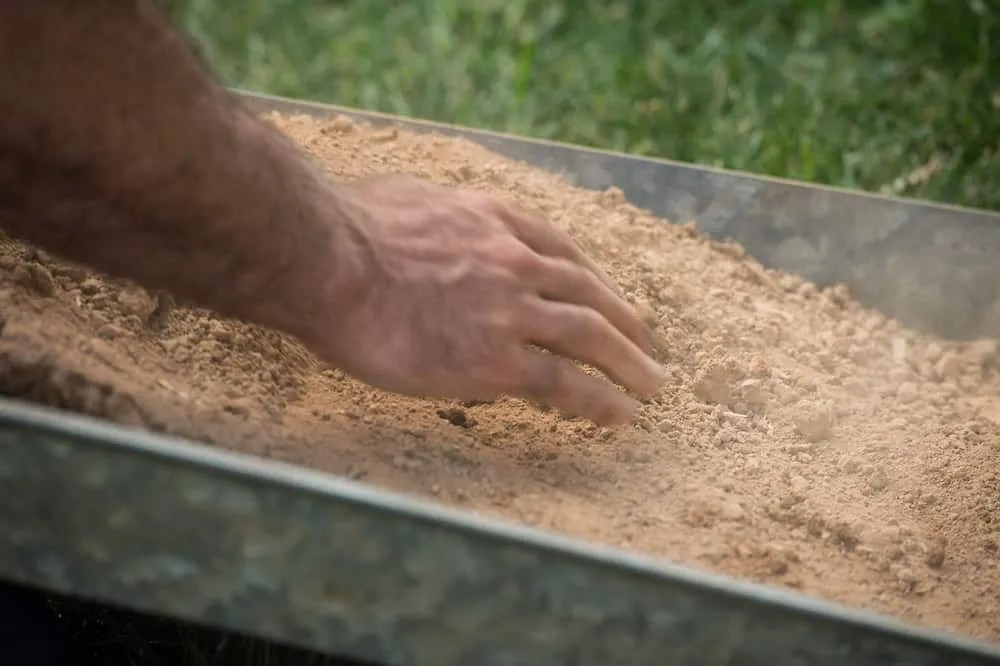
This is why you should scrutinise the potting dirt and check that it is dry . It ’s never a undecomposed idea to usemoldy potting soilfor your plant life . To dry your soil , simply diffuse it evenly on a big tarp and let it air or sundry .

Step 5: Pack and Seal the Potting Soil
simulacrum credits : Thana Thanadechakul via Shutterstock
If you have potting ground already in sturdy base , you should just extort all the airwave out of them and seal the bags . you’re able to do that by rove down the bags to force all the air out , then expend tape to seal off them shut .
last , you will want to site them inside a large zip - top plastic to check that there are no soil spills . From here on out , it is entirely up to you where you want to place these traveling bag . However , ensure that no deary or children mess with them .

Pile of natural fertilizer bags Stacks In Warehouse, selective focus
How to Store Your Potting Soil Throughout the Winter
1. Indoor Storing
Image credit : Creative liveliness , looking for special pictures . via Canva
While we typically use potting ground at the start of spring , we often need it when we have to repot plants . It is why having a container full of pot grease at home is a good idea . Store it in little containers with lids for easy access code !
This will also aid with keeping thing hefty and get up . However , make certain that your container are in a grim humidness fix . Rather than putting them in the basement , opt for a closet or a buttery .

2. Outdoor Storing
Image credit entry : MrCardholder via Shutterstock
It may seem a lilliputian counterintuitive , but it is perfectly okay to put in potting soil outside throughout winter . stale temperature do not have any effects on the soil , only on the container . So watch out for tears and crack in the charge plate because this is where insect and moisture can get in from .
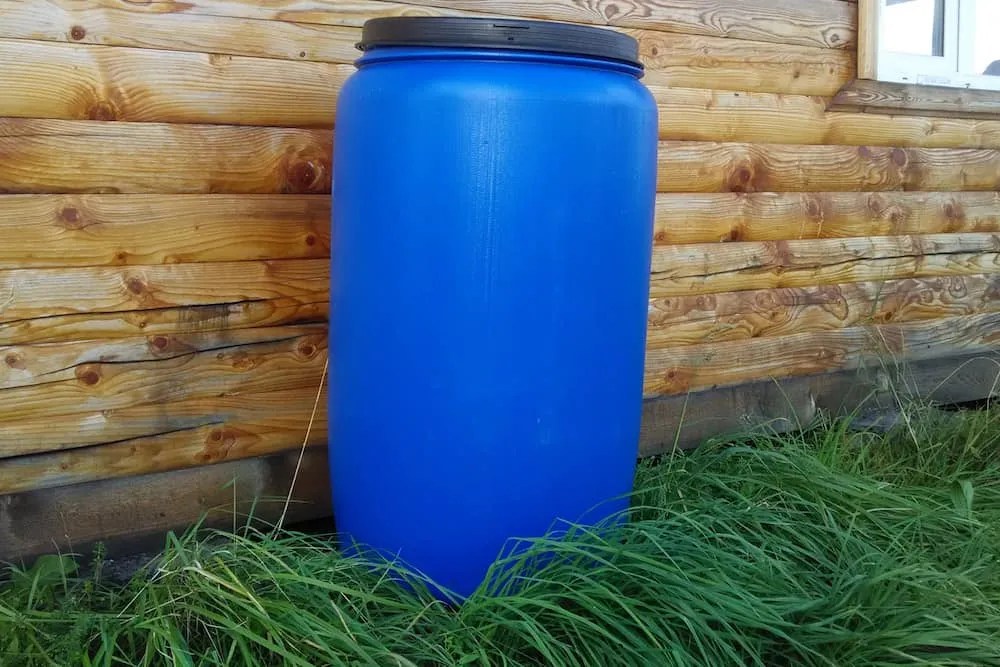
couch all your potting land into a big ABA transit number with a eyelid is perhaps your best bet . If you reckon you wo n’t give the bin for a while , use tape measure around the edges to create a great seal against bugs and humidity . you’re able to also place say bins in your service department or cast to supply more auspices from the humid conditions .

Pros and Cons of Storing Your Potting Soil
Image credit : Stephanie Frey via Shutterstock
Before you decide to grease one’s palms unexampled potting soil rather ofrefreshing old potting soiland storing it for future use , here ’s what you call for to keep in thinker .
Plan Ahead!
Knowing the good direction to store your potting soil will help you have a fresh , pest - free supply of soil even throughout the wintertime months . Moreover , it is very cost - efficient if done in the long run and is environmentally friendly .

Pile of natural fertilizer bags Stacks In Warehouse, selective focus