Related
Compost is anatural dirt amendmentproviding essential nutrients and helping ameliorate soil social structure , water retention , and soil aeration . Additionally , compost can encourage beneficial microbial activity in the soil , supporting tidy flora growth and disease resistance .
So how do you go about composting , and are there thing you have to consider before using it in your garden ? More dirt below !
Composting at Home
epitome credits : Jerome . Romme via Shutterstock
compost at home is agreat path to reduce waste material , create nutritious - rich stain , andbenefit your garden . There are four main ingredients to composting :
That said , not all thing should be composted . thing like marrow and fish scraps , dairy , fats , and oil shouldnot be added to your compost pile . They can attract pests , sponge , diseases , and violent animals .
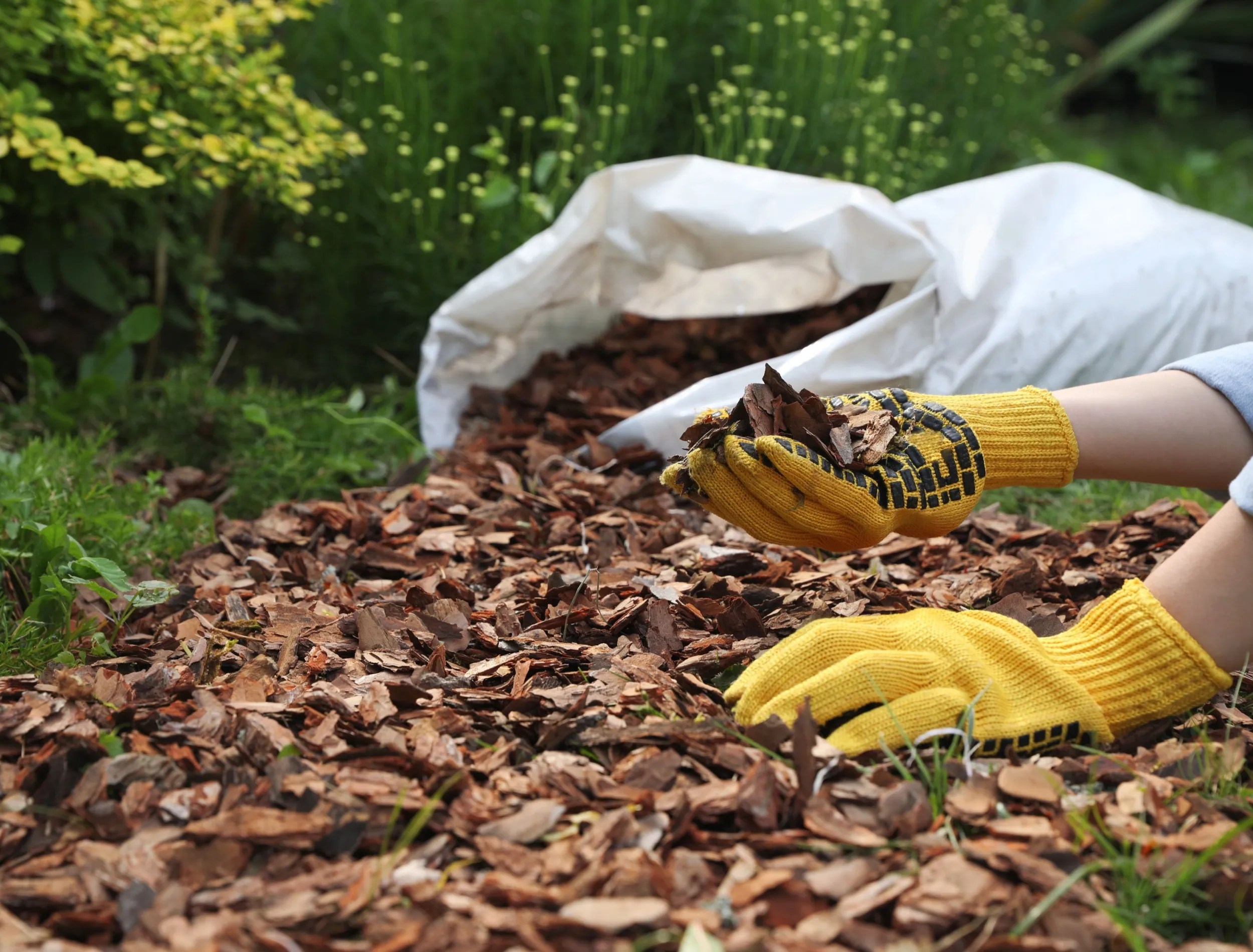
How to Start Composting
opt a bin .
you may purchase a compost bin ormake your ownusing wood pallets , cinder blocks , or wire interlocking .
Add brown and green materials .

dark-brown material include ironical leafage , straw , and shredded paper , while unripened materials let in tree trimmings , grass clippings , and umber grounds . The first 6 - inch base layer is made of dark-brown fabric , include pottery shards , gravel , and rocks , to promote drainage . The second is a 2 - column inch layer of green cloth like kitchen scraps , fresh leaves , and pot clippings . you’re able to even add up a 2 - inch layer oftopsoil to your compost pileafter the green layer . This is optional . Continue building your pile(brown , dark-green , and/or topsoil ) until it attain the desired altitude of your compost bin . The concluding layer should always be chocolate-brown materials as they seal odor andprevent small animalsand insects from destroying your hatful .
coalesce and aerate .
Use a pitchfork or excavator to mix in the material andaerate the compost pile . This helps to race up the decomposition process and prevent unpleasant odors . Unlike passive composting , traditional or activecompost can get really hot ! Wear protective gear to avoid accidents .

Monitor moisture levels .
Your mess should be dampish but not soaking wet . summate water or ironical stuff as needed to sustain the right wet horizontal surface . There are ways to fixcommon compost problemswhen deal with a stiff , slimed pile .
Wait for it to senesce .

depend on the weather stipulation , compost can take a few months to a year to mature . When it ’s dreary , crumbly , and has a sweet , earthy smell , it ’s ready to use . Use only well - rot compost in your garden to avoid an irruption of foodborne pathogen likeE - coli , listeria , and salmonella .
Use the compost .
Utilize compost in your garden as anatural fertiliser , soil amendment , or mulch .
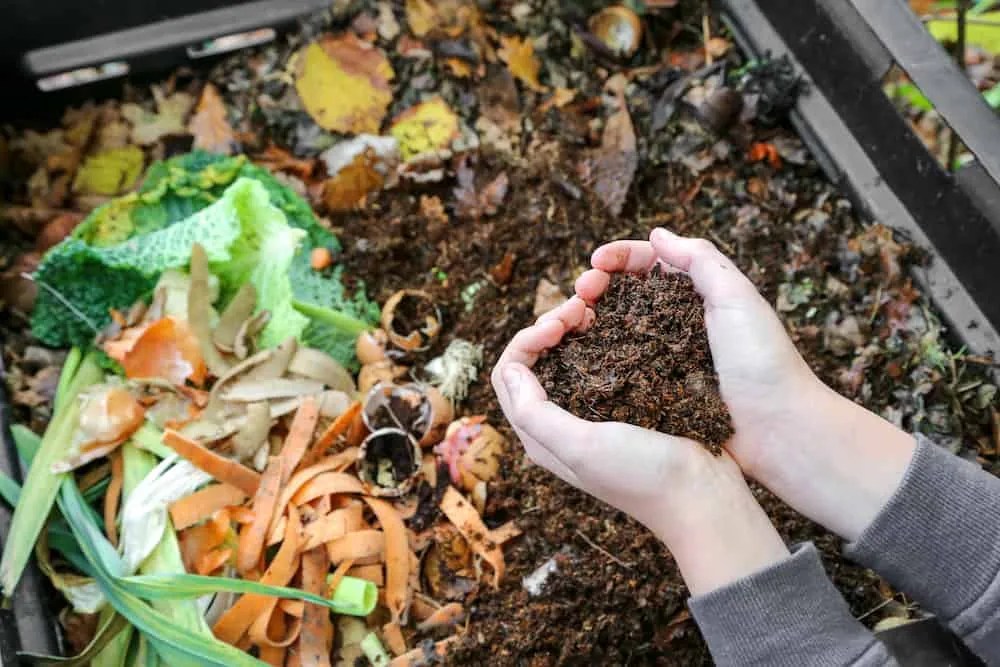
hands holding compost above the composter with organic waste
How to Use Compost in Your Garden
There are many ways to use compost in your garden . Below are some of the most uncouth style to use the fabric :
1. Tree and Shrub Planting and Maintenance
Image credits : Mikhail Nilov via Pexels
It ’s very common to use compost when topdressing Tree and shrubs . Mixing it into the top 2 inches of soil mimic the organic bed detect in woodland , which helps maintain soil temperature , hold back wet , and append crucial nutrients to your plants .
2. Using It As Mulch
Image credit : Paul Maguire via Shutterstock
As a natural mulch , aged compost helps oppress weeds , preclude stain corroding , and keep back water . to boot , like a obtuse - release fertiliser , it help as a coherent origin of nutrients for your plants .
To expend it as mulch , spread a 1 to 2 - inch layer over the soil open , but do n’t apply it too close to the stems or shorts of your plants . This is because compost can burn your plant ’s roots .

Finally , remember to replenish the layer of mulch to ensure continued benefits .
3. As Soil Amendment
ikon credits : Gajus via Shutterstock
you may even habituate compost as a natural amendment to improve your soil ’s structure , health , and fertility . you could even use it to fill your already - establishedraised garden bed . However , before adding it , train yourgarden bedby hit weeds , debris , and rocks .
Next , loosen the grease to create a crumbly texture for right weewee drainage and aeration . Once prepare , give a 2 to 3 - inch layer of compost , and do work it into the top few inches of your soil using a blood or garden fork . Finally , irrigate the layer to help the compost settle and nourish your plants .

If you’recreating new garden bed , spread a 4 to 8 - in layer of compost and till it into the top 3 to 5 inch of the soil . Once this initial covering is complete , assert grease health by topdress with compost as needed .
4. Compost Tea
simulacrum credits : Vasilii Kosarev via Shutterstock
Compost teais an splendid way to provide your plant life with a quick boost of nutrients and micro-organism . All you have to do is water your plants with the special tea or use a spray bottle to give it as a foliar spray .
To prepare compost tea , add together 5 gallons of water supply into a 6 - congius container and three cups of well - age compost . you could even add 2 tablespoon of molasses to the bucketful to feed the beneficial microbe that ’ll help make the compost Camellia sinensis .

Woman working on her garden in raised garden bed holding handfull of fertile soil.
straightaway after add molasses , stir the mixture for a couple of minutes before end the bucket . For the next seven to 10 day , you ’ll require to stir the concoction for a pair of minutes twice a twenty-four hour period .
After about ten day , if your compost teatime bet like dark java and smells like loaded solid ground , you could expend it , but if it smack stinky , cast out it because it has gone bad . To utilize compost tea , extend the concoction into a spray bottleful , another container , or a watering can .
thresh the strained particle into your compost plenty . you may utilize it undiluted to feed your plants by spraying directly on the ground or debase it 50:50 with clean piddle to utilise it for your lawn .

5. Create Your Own Potting Mix
Image credit : mixetto via Canva
make your own potting mixis an first-class way of life to use compost in your garden . To make your own potting soil , you ’ll need four region compost , one part sphagnum moss , and two parts coarse Amandine Aurore Lucie Dupin .
To make a batch , mix all the ingredient on a large tarpaulin , a big tub , or a wheelbarrow . you’re able to even add slow - release plant food granule likeOsmocote Smart - Release Plant Food , Burpee Natural Purpose Granular Organic Food , andMiracle - Gro Plant Foodto give your plants .

6. Turf Makeover
simulacrum credit entry : Lakeisha Ethans for Backyard Boss
Compost help oneself you constitute a healthy lawn . After identifying your new lawn area , spread about 2 inch of compost and till it into the top 3 to 5 inches of your soil . While some gardeners add compost to found lawn , many kick that it may be one of the factors that contribute to thatch buildup .
Thatch is a stratum of grass , roots , and other constitutional matter that have not fully decomposed on the soil ’s surface . Edward Thatch is common in lawn , garden , and other grassy area . An excess amount of Edward Thatch can lead in disease , louse infestations , and focus due to temperature and drought .

Toprevent thatch , it ’s essential to utilize elderly compost .
7. Vegetable and Flower Gardens
paradigm credit : VeggieGardeningTips via Creative Commons
If you have a large amount of compost , pass around a 2 - inch stratum over your entire garden and till in the top 6 to 8 inches of your soil . This will help boost works growth . If you have a limited amount , use it for your transplants .
When you ’re transfer , dig a hole , add a handful of compost in the hole , mix it in , and then add your plant . Once the plants have established themselves , add ½-inch of compost around the home of your flora to boost growth .

Trash to Treasure!
Compost is a treasured and versatile imagination that can be utilized in various ways . Besides being eco - favorable and toll - effective , it enrich the soil , enhance fertility and complex body part , and aids in water supply retention . By using nutrient fighting , wry leaves , wood chips , water , and O , you may start compost in your backyard andyour balcony !
As always , leave your experiences , thought , and head in the commentary section , and please share !
