Theweeping cherry tree blossom treeis a stunning ornamental tree diagram that is known for its graceful , drooping ramification and delicate pinkish or white peak . It is a popular selection for garden and Mungo Park , providing a beautiful focal point in the outflow months when it is in full flush .
One of the unique feature film of the tears cherry tree peak tree diagram is its cascade offshoot , which can grow up to 20 feet in length and make a arresting waterfall effect . This tree is also known for its relatively small-scale size of it , making it a great choice for smaller garden or as a feature Sir Herbert Beerbohm Tree in large landscape painting .
The weeping cerise blossom tree is native to Japan and is highly regard in Japanese civilization as a symbol of beauty and renewal . It has been educate for hundred and is now widely grown around the world . Whether you are a seasoned gardener or simply revalue the beauty of nature , the weeping cerise blossom tree is certain to delight and inspire .

Botanical Profile
Species and Classification
Theweeping cherry red blossom tree(Prunus subhirtella var . pendula ) is adeciduous treethat belongs to the genus Prunus of the Rosaceae family . This Sir Herbert Beerbohm Tree is also commonly known as the Nipponese cerise Sir Herbert Beerbohm Tree or the Higan cherry red tree .
The weeping cherry Sir Herbert Beerbohm Tree is a small to medium - sized tree that can mature up to 20 - 30 foot tall and spacious . It has a elegant , weeping habit with drooping branches that create a beautiful , cascade effect . The leaves of the tree are simple , alternate , and serrate , with a dark green color that turn to yellow in the drop .
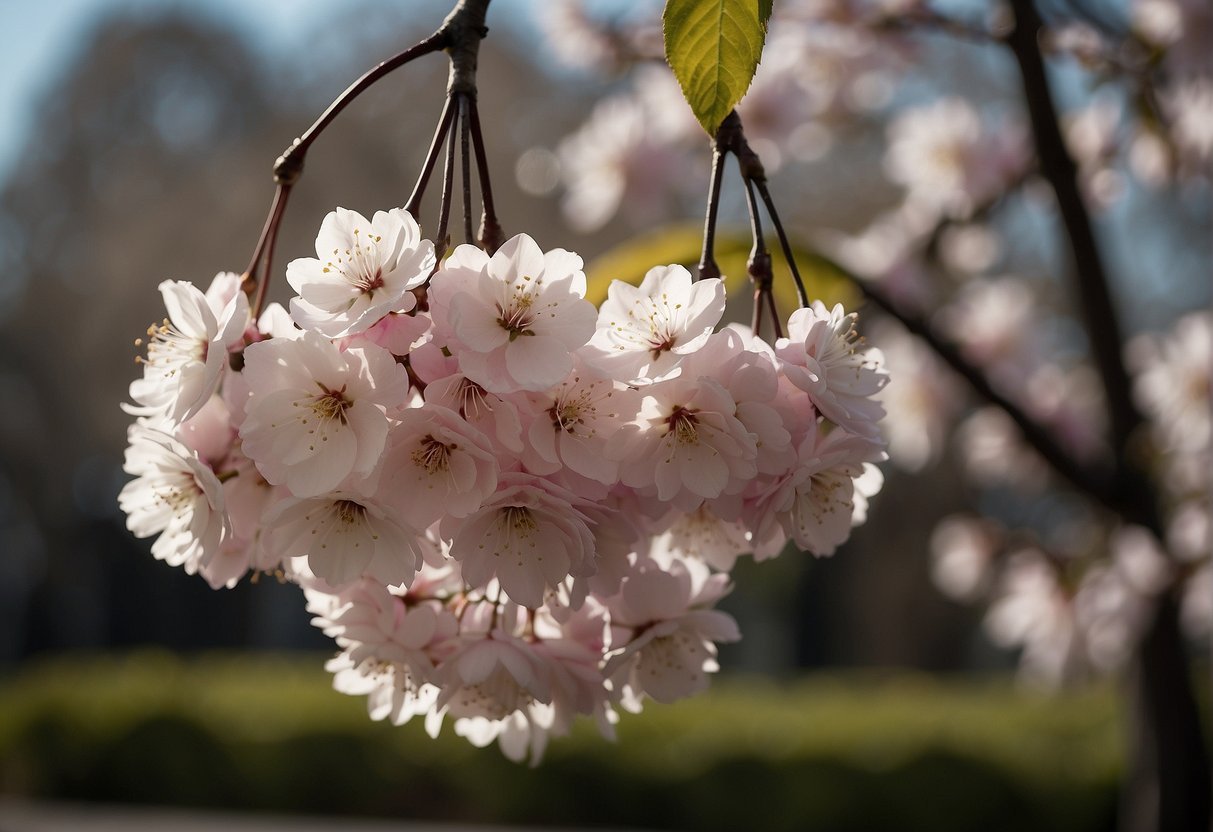
The peak of the weeping cherry tree tree diagram are the main attraction of this Sir Herbert Beerbohm Tree . They are pink or white and appear in early spring before the leaves . The flowers are small , with five flower petal and a unfermented fragrance . The fruits of the tree diagram are little and bleak , but they are not edible .

The weeping cherry Sir Herbert Beerbohm Tree is a cultivar of the metal money Prunus subhirtella , which is native to Japan and Korea . It is a cross of two other species , Prunus pendula and Prunus spachiana . The crying cherry red Sir Herbert Beerbohm Tree was first infix to the United States in the former 1900s and has since become a popularornamental treein garden and parks .
Overall , the tears cherry blossom tree is a beautiful and refined tree that adds a cutaneous senses of elegance to any landscape . Its ticklish flower and tears use make it a pop choice for gardens , parks , and other public distance .
Cultivation and Care
Planting Guidelines
When planting a weeping cherry flush tree diagram , it is important to select a locating that get full sunshine or fond tone . Thesoil should be well - drainedand loose , with a grease horizontal surface that matches that of the root ball . The tree should be plant in a golf hole that is two to three time wider than the root word ball . After planting , the tree should be water thoroughly and mulched with a layer of compost or other organic issue to help retain wet and suppress weeds .
Soil Requirements
Weeping cherry flower trees preferfertile , well - draining soil . you should use a mixture of garden loam , sand , and perlite to achieve a loose , well - draining soil . The pH level of the dirt should be between 6.0 and 7.5 . If the soil is too alkaline or acidulent , it can be adjust with the employment of lime or sulfur .
Watering and Sunlight Exposure
crying cherry blossom trees requireregular watering , peculiarly during the first year after embed . The tree diagram should bewatered deeplyonce a hebdomad , or more often during menstruation of drouth . It is crucial to avoid overwatering , as this can lead to antecedent rot . The tree should also be reveal to full sun or partial shade to promote healthy growth and bloom .
Fertilization Practices
crying cherry blossom tree profit from the use of slow - press release fertilizer , apply in other spring or late fall . The fertilizer should be high in phosphorus and potassium to promote blooming and origin maturation . Compost can also be used as a natural fertilizer , apply in a level around the root of the Sir Herbert Beerbohm Tree . It is important to debar fertilizing during the dormant time of year , as this can damage the Sir Herbert Beerbohm Tree .
Overall , with right cultivation and upkeep , a tears cherry blossom Sir Herbert Beerbohm Tree can thrive inUSDA hardiness zones5 to 8 .
Growth and Aesthetic Appeal
crying cherry red blossom trees are famed for their stunning beauty and graceful appearing . These trees are known for their pendulous branch that droop down to the ground , create a stunning focal point in anygardenor landscape . They are particularly popular for their delicatepink flowersthat bloom in former spring , have them one of the most try - after flowering tree .
Flowering Patterns
Weeping cherry blossom trees produce clustering of single or double heyday that turn along the branches . The prime are usually pink , but some variety may acquire white or cherry bloom . These flowers are fragrant and attract bee and other pollinators , making them a heavy addition to any garden .
Seasonal Changes
In the dusk , the leave of the crying cherry blossom tree turn a beautiful golden sensationalistic colour , add up to its aesthetic solicitation . These tree diagram also produce small fruit that is not edible but summate to their ornamental value .
When it comes to growing weeping cherry peak trees , they opt well - drained soil and full sun vulnerability . They are comparatively easy to give care for and postulate minimal pruning . These trees can grow up to 20 feet tall and wide , so it ’s important to plant them in a location that permit for equal space .
Overall , weep cherry efflorescence trees are a stunning addition to any garden or landscape painting . Their beautiful pink bloom , pendulous branch , and fall foliage make them a popular selection for homeowners and landscaper alike .

Pests and Diseases Management
Common Challenges
Weeping cherry blossom trees are susceptible to a variety of pestilence and diseases that can cause terms to the tree . Some of the most common challenges include powdery mildew , caterpillar , aphids , Japanese beetle , wanderer mite , cherry leafage office , and fungal disease .
Powdery mould is a fungal disease that can cause a whitened , powdery coating on the leaves and stems of the tree . Caterpillars , such as collapsible shelter caterpillars , can defoliate the tree and induce significant harm . Aphids and Japanese beetle can also cause scathe to the leave and flowers of the tree . wanderer mites can induce stain and damage to the leave , while cherry folio spot is a fungal disease that do small , circular spots on the leaves .
Preventative Measures
Toprevent pests and diseasesfrom damage the weeping cherry tree blossom tree , there are several prophylactic measures that can be take . on a regular basis inspecting the tree for signs of gadfly and diseases is indispensable . If any trouble are detected , prompt action at law should be taken to prevent the spread of the military issue .
One of the most effectual ways to preclude pests and disease is to observe a healthy Sir Herbert Beerbohm Tree through right lacrimation and fertilization . Pruning the tree can also help oneself to remove any diseased or damage branches and meliorate air circulation around the tree diagram .
In some case , theuse of pesticidesor fungicides may be necessary to operate pestis and diseases . However , it is important to use these products cautiously and according to the manufacturer ’s instructions to avoid harming good dirt ball or causing further harm to the tree .
Overall , with right care and tending , it is potential to forestall and contend pests and diseases on a crying cherry red flower tree .
Pruning and Maintenance
Pruning Techniques
Pruning is an essential part of maintaining the health and beauty of aweeping cherryblossom Sir Herbert Beerbohm Tree . Regular pruning helps to keep the tree diagram in cast and promotes goodish growth . It is recommend to prune the tree diagram during the dormant time of year , which is typically in previous winter or former spring .
When pruning , it is important to dispatch any morbid or discredited branches . This helps to preclude the spread of disease and promotes healthy ontogeny . to boot , it is crucial to prune any branches that are growing in a way that may compromise the Sir Herbert Beerbohm Tree ’s social system .
To promote a cascading effect , it’s advised to prune the branches at varying lengths . This help oneself to make a natural , flowing look that is characteristic of weeping cherry blossom Tree .

Seasonal Care
In plus to regular pruning , it is important to ply proper care to the weeping cherry flush tree throughout the year .
unmediated sunlight can be harmful to the tree , so you should constitute it in a location that provides partial shade . to boot , supply proper line circulation can help to prevent disease and promote healthy growth .
tears cherry peak trees are drouth - tolerant , but it is authoritative to water the tree during wry spells to ensure that it invite enough moisture . Using rooting hormone can also help to promote healthy root growth and overall tree health .

By following these pruning and criminal maintenance techniques , individuals can help to ensure that their weeping cherry tree blossom tree diagram remains healthy and beautiful for old age to come .
Landscaping with Weeping Cherry Trees
crying cherry tree trees are a popular ornamental cherry tree diagram coinage , known for their ticklish pink and white blossoms that hang downward like a weeping willow . They are a great addition to any landscape , adding a touch of elegance and mantrap . In this section , we will hash out some important design considerations and tree selection tips when landscaping with weeping cherry trees .
Design Considerations
When design with weeping cerise tree diagram , it ’s crucial to conceive their size and conformation . Weeping cherry trees do in different mintage and size of it , ranging from the snow fountain gnome , hiromi midget weeping cherry tree , shidare - yoshino , to the big higan and yoshino cherry tree . This makes them suitable for different spaces , from little gardens to larger landscapes .
tears cherry trees can be used as specimen tree diagram , focal points , or as part of a larger planting schema . They are peculiarly effective when implant near water features , walkways , or as a background for other plants . When plant , consider the tree ’s ripe sizing and location to ensure it has enough space to produce and thrive .
Tree Selection for Different Spaces
When select a weeping cherry tree tree for your landscape , consider the place you have useable . For small space , dwarf weeping cherry trees like the nose candy fountain dwarf or hiromi dwarf tears cerise are great choices . They have a compact size and can fit in tight blank , making them suitable for modest gardens , terrace , and balcony .
For big landscape , higan and yoshino cherry tree trees are a dear pick . They have a larger sizing and can leave a arresting presentation of bloom in the spring . The shidare - yoshino and snow showers are also popular choice , roll in the hay for their graceful weeping branches and delicate pinkish flowers .
When selecting a weeping cherry tree , also view the pollinator in your arena . Weeping cherry Sir Herbert Beerbohm Tree are known to attract bee , butterflies , and other pollinators , gain them a great addition to any pollinator garden . Some pop species to consider admit prunus ‘ kiku - shidare - zakura ’ and genus Prunus x yedoensis ‘ shidare - yoshino ’ .
In conclusion , weeping cherry red trees are a beautiful addition to any landscape painting . When contrive with them , deliberate their sizing and shape , as well as the location and pollinators in your area . With the right tree diagram selection and design considerations , you may produce a sensational landscape that will be the invidia of your neighborhood .
Frequently Asked Questions
What is the average growth rate of a weeping cherry blossom tree?
The average increase rate of a weeping cherry blossom tree is between 1 and 2 feet per class . However , this can variegate depending on the specific cultivar and grow condition .
How can one differentiate between types of weeping cherry trees?
There are several type of weeping cherry tree Sir Herbert Beerbohm Tree , admit the Higan cherry , the Yoshino cherry , and the Snow Fountain cherry . The leisurely way to differentiate between them is by their flowers . Higan cherry blossoms are light pink and appear before the parting , whileYoshino cherry tree blossomsare clean or pale pink and bloom with the leaves . Snow Fountain cherry blossoms are bloodless and appear in clustering .
What are common problems with weeping cherry trees and how can they be addressed?
Common problem with weeping cherry red tree let in pests such as aphids and wanderer mites , as well as diseases such as bleak knot fungus and powdery mildew . veritable review and care can facilitate prevent these issuance . If job do arise , intervention options such aspruning , insecticidal easy lay , and fungicides may be necessary .
What is the maximum size a weeping cherry blossom tree can reach?
The maximal sizing a weeping cherry tree blossom tree can reach varies bet on the cultivar . Some may only develop to be 8 - 10 feet magniloquent , while others can give up to 20 foot in altitude .
What are the optimal growing conditions for weeping cherry trees?
Weeping cherry trees preferfull sunand well - drained territory . They can put up a range of dirt types , but choose slimly acidulent soil . Regular watering and fecundation can also aid advertise level-headed ontogenesis .
When is the typical blooming period for weeping cherry blossom trees?
The typical blooming full stop for weep cherry blossom Sir Herbert Beerbohm Tree is in the spring , usually in March or April . However , this can deviate depending on the specific cultivar and climate conditions .
